
Top tips to ace your apparel design interview in 2025

Try Aihirely for
Smarter Interview Prep
Experience real-time AI support tailored to your Resume.
Boost your confidence and ace every question with
AI Mock Interview.
Image Source: pexels
Walking into an apparel design interview can feel overwhelming, but preparation changes everything. When you take the time to research, practice, and refine your approach, you set yourself apart from other candidates. Employers want to see your unique design perspective and how you bring professionalism to the table. They’re not just looking for talent—they’re looking for someone who understands their vision.
Think about how you’ll answer questions you may be asked during apparel design interview sessions. Confidence comes from knowing your strengths and being ready to share them. Approach the process strategically, and you’ll leave a lasting impression.
Key Takeaways
-
Learn about the company’s brand and audience before the interview. This shows you understand their goals and can match your designs to them.
-
Create a strong portfolio with 5 to 10 top projects. Pick work that fits the company’s style. Good quality is more important than having many pieces.
-
Think of smart questions to ask during the interview. This shows you care about the company and want to know their design process.
-
Wear professional but comfy clothes to the interview. Your outfit should match the company’s style and make you feel confident.
-
Send a thank-you email within 24 hours after the interview. This shows you are excited about the job and leaves a good impression.
Pre-Interview Preparation
Image Source: pexels
Researching the Company
Understanding the company’s brand identity and target audience
Before your interview, dive deep into the company’s brand identity. Ask yourself: Who is their target audience? What emotions do they want their designs to evoke? Understanding this helps you align your answers and portfolio with their vision.
Here are some ways to research effectively:
-
Study their website and social media to see how they connect with customers.
-
Look at their logo, color schemes, and messaging. These elements tell a story about their brand.
-
Pay attention to how they maintain consistency across platforms. This builds trust and loyalty with their audience.
When you understand their audience and brand story, you’ll show that you’re not just a designer—you’re someone who gets their mission.
Analyzing recent collections and design trends
Take time to review their latest collections. What themes or trends stand out? Are they leaning into sustainability, bold patterns, or minimalist designs? Compare these with current industry trends. This shows you’re not only aware of their work but also in tune with the broader fashion landscape.
Understanding the Role
Reviewing the job description and required skills
The job description is your cheat sheet. It outlines exactly what the company needs. Look for key responsibilities like creating sketches, selecting fabrics, or collaborating with teams. Here’s a quick snapshot of common apparel design tasks:
| Key Responsibilities |
|---|
| Generating original design concepts for collections |
| Creating technical sketches and patterns |
| Selecting fabrics, colors, and trims |
| Collaborating with product development teams |
| Staying updated on trends and consumer preferences |
Identifying how your skills align with the role
Once you know the role’s requirements, match them with your skills. Are you great at sketching or fabric selection? Highlight those strengths. For example, if the role emphasizes teamwork, share how you’ve collaborated on past projects.
Here’s a breakdown of skills that often align with apparel design roles:
| Skill | Description |
|---|---|
| Sketching | Excellent sketching skills for design concepts. |
| Pattern Making | Proficient in creating patterns for apparel. |
| Design Software Proficiency | Skilled in Adobe Creative Suite, Illustrator, and Photoshop. |
| Fashion Trends Understanding | Awareness of emerging trends and consumer preferences. |
Building a Strong Portfolio
Selecting your best work that aligns with the company’s aesthetic
Your portfolio is your chance to shine. Choose pieces that reflect the company’s style. If they focus on modern, edgy designs, don’t include overly traditional work. Prioritize quality over quantity—5 to 10 standout projects are better than a cluttered collection.
| Best Practice | Description |
|---|---|
| Cohesive Branding | Create portfolios with a cohesive brand experience. |
| Quality Over Quantity | Feature 5-10 of your most impressive, high-quality projects. |
| Memorable Design | Reflect your unique design skills through compelling styling. |
Organizing your portfolio for a clear and professional presentation
Presentation matters. Arrange your portfolio so it tells a story. Start with your strongest piece and guide the viewer through your creative process. Successful portfolios often include sketches, mood boards, and final designs. For inspiration, check out portfolios like:
-
Anisya: Combines photos, illustrations, and mind mapping.
-
Sushmitha: Includes sketches, research, and muses.
-
Chris Pack: Features a lookbook and fashion sketches.
A well-organized portfolio shows you’re not just creative—you’re professional and detail-oriented.
Preparing Questions for the Interview
Crafting thoughtful questions about the company’s design process
Asking the right questions during your interview shows curiosity and a genuine interest in the company. It’s also a great way to learn more about their design process and team dynamics. Thoughtful questions can help you stand out as someone who’s not just looking for a job but is eager to contribute meaningfully.
Here are some ideas to get you started:
-
What are the biggest challenges the design team is currently facing?
-
If you could solve one major issue in the product line right now, what would it be?
-
What traits or skills do you think are essential for success in this role?
-
How does the team approach collaboration during the design process?
These questions show that you’re thinking critically about the role and how you can add value. They also give you insight into the company’s priorities and pain points, which can help you tailor your responses during the conversation.
Asking about opportunities for growth and collaboration
Your interview is also the perfect time to explore how the company supports professional development and teamwork. Growth opportunities in apparel design often go beyond promotions—they can include partnerships, creative collaborations, and exposure to new markets.
Consider asking questions like:
-
Are there opportunities to work on cross-functional projects with other teams?
-
How does the company support designers in expanding their skills or exploring new trends?
-
What kinds of collaborations does the company engage in, such as retail partnerships or marketing campaigns?
Many apparel companies partner with retailers to test collections or collaborate on marketing strategies to reach wider audiences. Others might focus on licensing agreements to break into new markets. Asking about these opportunities shows that you’re forward-thinking and eager to grow alongside the company.
By preparing these kinds of questions, you’ll demonstrate your enthusiasm and strategic mindset. It’s not just about landing the job—it’s about showing that you’re ready to thrive in the role.
Presentation and Communication
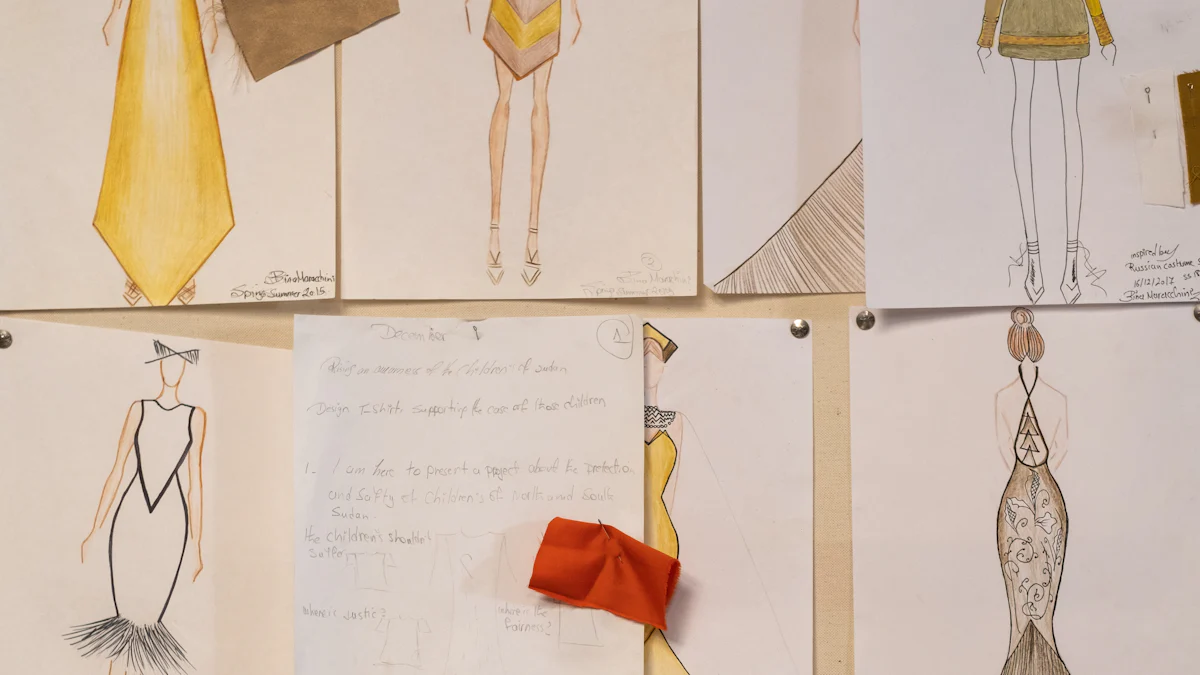
Image Source: pexels
Dressing for Success
Choosing attire that reflects the company’s style and professionalism
Your outfit speaks volumes before you even say a word. To strike the perfect balance between professionalism and reflecting the company’s style, focus on high-quality fabrics like cotton, linen, or wool. A tailored cotton shirt can give you a polished look while keeping you comfortable. Pair it with wool-blend trousers for a refined yet relaxed vibe.
Fit is everything. Ill-fitting clothes can distract from your confidence and professionalism. Tailored pieces not only look sharp but also show you’ve put thought into your appearance. If the company leans toward a modern aesthetic, consider adding subtle, stylish accessories to complement your outfit.
Ensuring your outfit is comfortable and confidence-boosting
Comfort is key to feeling confident. Here are a few tips to ensure your outfit works for you:
-
Check the weather beforehand so you’re prepared for any conditions.
-
Try on your outfit a day or two before the interview. This helps you feel ready and reduces pre-interview jitters.
-
Choose smart, comfortable shoes, especially if you’ll be walking or standing for long periods.
When you feel good in what you’re wearing, it shows. Confidence starts with comfort.
Showcasing Confidence
Practicing a firm handshake and maintaining good posture
First impressions matter. A firm handshake paired with good posture can set the tone for the entire interview. Stand tall, keep your shoulders back, and walk in with purpose. These small actions project confidence and professionalism.
Using positive body language and making eye contact
Your body language can say more than your words. Smile, maintain eye contact, and nod occasionally to show you’re engaged. Avoid crossing your arms, as it can seem defensive. Positive gestures make you approachable and leave a lasting impression.
Demonstrating Your Unique Design Perspective
Sharing your creative process and inspirations
Your creative process is what sets you apart. Share how you approach challenges and where you find inspiration. For example, one designer emphasized the importance of seeking inspiration from art and collaboration. Another shared how they conducted in-depth research to solve a technical issue creatively. These stories highlight your problem-solving skills and passion for design.
Highlighting how your designs solve problems or meet client needs
Showcase how your designs make an impact. For instance, Nike’s personalized services improved customer satisfaction and boosted market share. Similarly, H&M enhanced customer loyalty by creating efficient shopping experiences. When you explain how your designs address client needs, you demonstrate your value as a designer.
Handling the Interview
Questions You May Be Asked During Apparel Design Interview
Discussing your design process and inspirations
Interviewers often want to know how you approach your work. They might ask about your design process or what inspires your creativity. Be ready to explain how you take an idea from concept to completion. Share specific examples of past projects where your unique approach made a difference. For instance, you could describe how you used mood boards or research to develop a collection that resonated with a target audience.
To prepare, bring a copy of your CV and portfolio. These tools will help you showcase your work and back up your answers with visuals. A notepad with prepared points can also keep you focused during the discussion.
Explaining how you stay current with fashion trends
Staying updated on trends is crucial in apparel design. Expect questions about how you keep your designs fresh and relevant. You could mention following industry publications, attending fashion shows, or analyzing social media trends. Highlight how you incorporate these insights into your work. For example, you might explain how you adapted a popular trend into a sustainable design for a recent project.
Answering Questions Effectively
Using the STAR method (Situation, Task, Action, Result) for behavioral questions
Behavioral questions can feel tricky, but the STAR method makes them manageable. Start by describing the situation and task you faced. Then, explain the actions you took and the results you achieved. For example, if asked about teamwork, you could share a story about collaborating on a collection. Describe the challenge, your role, and how your efforts led to a successful launch.
Providing specific examples of your design achievements
When discussing your accomplishments, focus on specifics. Instead of saying, “I created a successful collection,” explain why it was successful. Did it increase sales or receive positive feedback? For instance, you might say, “My collection improved sales by 25% due to its innovative use of sustainable materials.” Concrete examples make your achievements more memorable.
Asking Thoughtful Questions
Inquiring about the team’s design philosophy and collaboration style
Asking about the team’s design philosophy shows you’re interested in their creative approach. You could ask, “How does the team balance individual creativity with collaboration?” or “What’s the team’s process for brainstorming new ideas?” These questions demonstrate your curiosity and willingness to contribute to the team dynamic.
Asking about the company’s future goals and how you can contribute
This is your chance to connect your skills to the company’s vision. For example, if you’ve helped expand international sales in the past, mention it. You could say, “I improved sales by 25% at my previous company. How can I support your growth in new markets?” Or, if you’ve introduced innovative teamwork strategies, explain how they could enhance collaboration within the company. Tailoring your questions to their goals shows you’re forward-thinking and ready to make an impact.
Managing Tough Scenarios
Staying calm and composed when faced with challenging questions
Tough questions can catch you off guard, but staying calm is key to handling them like a pro. When you feel the pressure rising, take a deep breath. Controlled breathing helps you manage anxiety and stay focused. If a question feels unclear, don’t hesitate to ask for clarification. It’s better to fully understand the question than to rush into an answer that misses the mark.
Pausing before you respond is another great strategy. It gives you a moment to gather your thoughts and structure your answer. Positive self-talk can also work wonders. Remind yourself that you’ve prepared for this and view the question as a chance to showcase your problem-solving skills. For example, if asked about a time you struggled with a project, you could explain how you overcame the challenge and what you learned from it.
Remember, challenging questions you may be asked during apparel design interview sessions are not meant to trip you up. They’re opportunities to show your resilience and creativity under pressure.
Turning weaknesses into opportunities for growth
When interviewers ask about your weaknesses, they’re not looking for perfection. They want to see self-awareness and a willingness to improve. The key is to frame your weaknesses as areas of growth. For instance, if you’ve struggled with perfectionism, you could explain how you’re learning to set realistic standards and delegate tasks.
Here are a few examples of how to turn weaknesses into strengths:
-
If you’ve been disorganized in the past, share how you now use digital tools to manage your time effectively.
-
If you’ve struggled with overthinking decisions, explain how you’re learning to trust your instincts and set time limits for decision-making.
-
If you’ve been too talkative, describe how you’re balancing sociability with productivity.
By addressing your weaknesses honestly and showing how you’re working to improve, you demonstrate growth and adaptability. These are qualities every employer values.
When preparing for questions you may be asked during apparel design interview discussions, think about how you’ve turned challenges into learning experiences. This approach not only highlights your self-awareness but also shows your commitment to personal and professional development.
Post-Interview Strategies
Sending Follow-Ups
Writing a personalized thank-you email within 24 hours
A thank-you email is your chance to leave a lasting impression. Sending it within 24 hours shows professionalism and enthusiasm. Keep it short but impactful. Here’s how you can craft the perfect email:
-
Start by thanking the interviewer for their time and the opportunity.
-
Highlight your skills and strengths that align with the role.
-
Reference a specific topic or moment from the interview to make it personal.
-
Use a simple subject line like “Thank You for the Opportunity.”
-
Maintain a professional tone throughout the email.
-
Add any additional information or corrections if needed.
This small gesture can set you apart from other candidates and reinforce your interest in the position.
Reiterating your enthusiasm for the role and company
Use the email to express your excitement about joining the team. Mention how the interview strengthened your desire to contribute to the company’s vision. For example, you could say, “After learning more about your focus on sustainable fashion, I’m even more eager to bring my expertise in eco-friendly design to your team.” This shows genuine interest and aligns your goals with theirs.
Reflecting on the Experience
Analyzing what went well and areas for improvement
Reflection helps you grow. After the interview, take a moment to evaluate your performance. Ask yourself: What did I do well? Where can I improve? You can also seek feedback from others, like mentors or peers, to gain different perspectives.
Here are some effective ways to analyze your experience:
-
Use surveys or ratings to assess your performance.
-
Review feedback from hiring teams or stakeholders if available.
-
Regularly refine your approach based on what you learn.
This process helps you identify strengths and address weaknesses for future interviews.
Taking notes on key points discussed during the interview
Writing down key points ensures you don’t forget important details. Use the table below as a guide for what to note:
| Key Point | Example |
|---|---|
| Interviewer’s Background | ”Sarah Lee has 10 years of experience in sustainable fashion design.” |
| Questions Asked | ”How do you incorporate sustainability into your designs?” |
| Cultural Fit | ”The team values creativity and collaboration, which matches my work style.” |
| Unique Insights | ”The company plans to expand into eco-friendly activewear next year.” |
| Follow-up Actions | ”Send additional sketches that align with their upcoming collection.” |
These notes will help you prepare for follow-ups and keep track of important details.
Planning Next Steps
Preparing for potential follow-up interviews
If you’re called back for another round, preparation is key. Stay updated on the company’s latest developments and trends in the industry. Refine your portfolio to highlight projects that align with their brand. Practice explaining your design choices clearly and confidently.
Here are some strategies to get ready:
-
Research the company’s recent collections and design aesthetics.
-
Be ready to discuss your unique design perspective in detail.
-
Anticipate challenging questions and prepare thoughtful answers.
-
Reflect on your previous interview to improve your performance.
This preparation will help you approach follow-ups with confidence.
Continuing to apply and network in the industry
Don’t stop at one opportunity. Keep applying to other roles and expanding your network. Attend industry events, connect with professionals on LinkedIn, and showcase your work on platforms like Behance or Instagram. Networking can open doors to unexpected opportunities.
By staying proactive, you’ll increase your chances of landing your dream role. Remember, every interview is a step closer to success!
Preparing for an apparel design interview takes effort, but it’s worth it. You’ve learned how to research companies, build a strong portfolio, and present yourself with confidence. You now know how to handle tough questions and follow up like a pro.
Remember, your unique design perspective is your superpower. Let it shine!
Approach every interview as a chance to grow. Even if it doesn’t go as planned, you’ll gain valuable experience. Stay confident, stay prepared, and trust in your creativity. You’ve got this! 🎨✨
FAQ
What should I include in my apparel design portfolio?
Focus on quality over quantity. Include 5–10 standout projects that reflect your skills and align with the company’s style. Add sketches, mood boards, and final designs to showcase your creative process.
Tip: Tailor your portfolio to the company’s aesthetic for maximum impact.
How can I stay updated on fashion trends?
Follow industry publications, attend fashion shows, and explore social media platforms like Instagram and Pinterest. Analyze what’s trending and think about how you can incorporate those ideas into your designs.
Pro Tip: Subscribe to newsletters from top fashion brands for insider updates.
What’s the best way to handle tough interview questions?
Stay calm and take a moment to think before answering. Use the STAR method to structure your response. If you’re unsure, ask for clarification.
Reminder: Tough questions are opportunities to show your problem-solving skills.
How do I prepare for a follow-up interview?
Review the company’s latest collections and refine your portfolio to highlight relevant projects. Practice explaining your design choices clearly. Reflect on feedback from the first interview to improve your performance.
Note: Confidence grows with preparation.
Should I send a thank-you email after the interview?
Absolutely! Send a personalized thank-you email within 24 hours. Mention a specific moment from the interview and reiterate your enthusiasm for the role.
Emoji Tip: A simple subject line like “Thank You for the Opportunity 😊” adds a friendly touch.